Six Low-Effort Zero-Waste Practices for Everyday Life
Zero-waste living doesn’t require a cabinet full of specialty products or complicated systems. It works best when a small set of durable, versatile items replaces dozens of disposables—and fits naturally into daily routines.
Here’s a realistic zero-waste starter set I actually use.
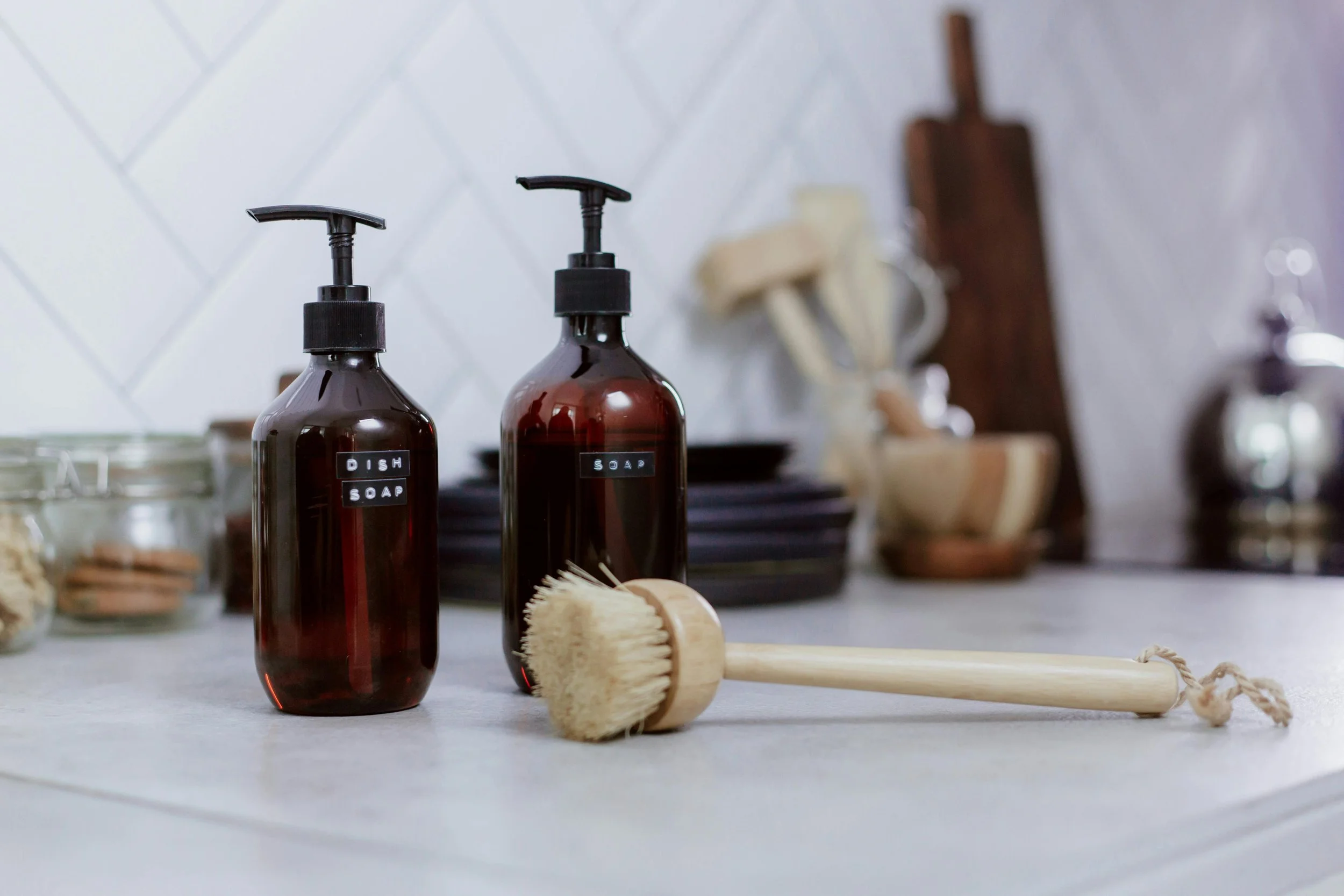
One cleaning product that does almost everything
I rely on Dr. Bronner’s Sal Suds as my main household cleaner.
I use it as:
Dish soap
Hand soap
Laundry detergent
A refill for spray bottles with water + a few drops of essential oil
One bottle covers most cleaning needs, which means fewer products under the sink, fewer refills to remember, and less plastic overall.
2. A reusable coffee strainer
A stainless steel coffee strainer is one of my favorite zero-waste tools.
It replaces paper filters entirely, washes clean in seconds, and lasts for years. A small swap that quietly eliminates a daily disposable habit—and makes mornings simpler.
3. Dish brush instead of sponges
A wooden dish brush lasts months instead of weeks.
Dries quickly
Stays cleaner longer
Often compostable when worn out
Fewer replacements, less waste, and one less thing to keep buying.
4. Cotton cloths (with a simple system)
Instead of paper towels, I keep cotton cloths on hand and a small bin under the sink just for used ones.
Every few days—or about once a week for me—the bin gets emptied straight into the wash. When there’s a clear system, reusables stay easy instead of becoming another chore.
5. Refillable glass spray bottles
A couple of glass spray bottles paired with Sal Suds or vinegar handle most cleaning jobs. One bottle, endless refills, and no cluttered lineup of single-purpose cleaners.
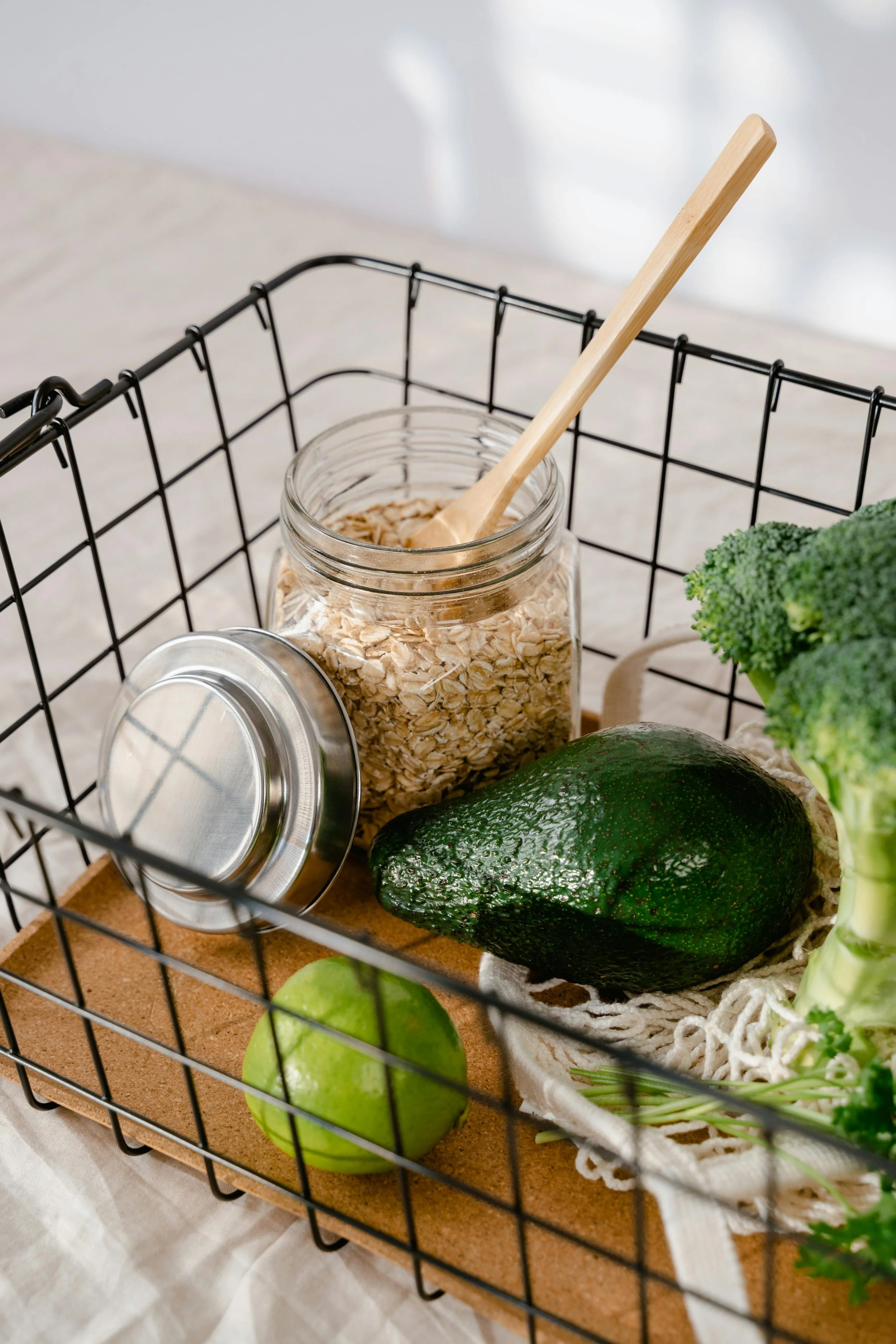
6. A “use-it-up” food bin
A small basket in the pantry or fridge for items that need attention soon. This reduces food waste and saves you money—while also making it easy to know which food you should reach for first.
The bigger idea
Zero-waste living sticks when it simplifies your life.
Fewer products.
Flexible tools.
Systems that are easy to maintain.
Sustainability works best when your home supports your routines—not when it asks for more effort.
